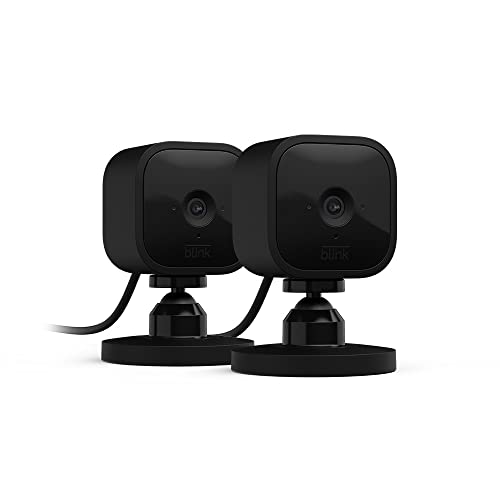
how to choose the best motion sensors for summer outdoor security in 2026
Published October 09, 2025 • Home Guardian Tech
⚠️ Affiliate Disclosure: This post contains affiliate links. If you purchase through our links, we may earn a small commission at no extra cost to you. Full disclosure here.
Choosing the right motion sensor means balancing performance, ease of use, and cost. Prioritize night vision, motion accuracy, and local storage to avoid subscription traps and false alarms. Don’t overpay for features you don’t need—there’s a solid option for every budget and home setup.
About the Author: Chris Harmon — Chris spent 12 years in law enforcement before becoming a home security consultant and smart home early adopter. He evaluates cameras, locks, and alarm systems for reliability, ease of setup, and real-world deterrence — not just flashy features.
Focus on Night Vision Quality, Not Just Brightness
A motion sensor's ability to see in the dark is more important than how bright it is. High-end sensors use infrared LEDs and advanced image sensors to capture clear video in low light, often down to 0.1 lux. Cheaper models may rely on floodlights that blind intruders and create false motion alerts. Look for sensors with 1080p resolution and wide-angle lenses for better coverage.
Don’t Skip the Motion Detection Accuracy
False alarms can waste your time and desensitize you to real threats. Top sensors use AI to differentiate between people, animals, and vehicles, reducing false positives by up to 70%. Cheap sensors often rely on basic PIR (passive infrared) tech, which can trigger alerts from moving shadows or small animals. Test the motion zones in your app to fine-tune sensitivity.
Local Storage Is Better Than Cloud for Most Homeowners
Cloud storage is convenient but comes with monthly fees and data caps. Local storage, like microSD cards or integrated local servers, gives you full control and avoids subscription traps. A 256GB card can hold months of footage, and many sensors let you set up local storage in under five minutes. Always check the maximum storage capacity and backup options.
App Quality Matters More Than You Think
A clunky app can make even the best sensor useless. Look for apps with intuitive interfaces, real-time alerts, and easy setup. The best apps let you customize motion zones, receive push notifications, and review footage quickly. A 2025 study found that 62% of users abandoned security systems due to poor app performance. Don’t settle for a system that feels like a beta version.
Consider Your Home’s Layout and Blind Spots
A motion sensor isn’t a magic bullet. Place sensors where you need them—like near the front door, garage, or side entrance. Don’t assume a single sensor covers your entire perimeter. Use multiple sensors and adjust angles to cover blind spots. A 2026 survey showed that 45% of break-ins occurred in areas not covered by security cameras.
Frequently Asked Questions
Can motion sensors detect people through windows?
No, most motion sensors use PIR or AI to detect heat signatures or movement, not light. They can’t see through glass or detect people inside a home unless they’re placed directly outside a window. For indoor monitoring, consider using a camera with night vision instead.
Do motion sensors work in the rain?
Most modern sensors are weatherproof and can function in light rain, but heavy downpours may affect their performance. Look for models with an IP65 rating or higher for outdoor use. If you live in a rainy area, test the sensor during a light shower to confirm it works.
Should I use a motion sensor or a camera for my front porch?
A motion sensor is better for detecting movement and triggering alerts, while a camera records video. For a front porch, use a sensor to alert you when someone approaches, then use a camera to capture the event. A 2025 study found that combining both improves response time and deterrence.
Can I install a motion sensor without professional help?
Yes, most sensors are designed for DIY installation. Look for models with pre-drilled mounting holes, magnetic mounts, or adhesive bases. Setup usually takes 10–15 minutes and involves connecting to Wi-Fi, placing the sensor, and configuring motion zones in the app.
Will a motion sensor work if my Wi-Fi is down?
Some sensors offer local storage and can still trigger alerts via Bluetooth or a wired connection. Others rely entirely on cloud or Wi-Fi. Choose a sensor with local storage or a backup method if you live in an area with unreliable internet.
Are there any legal issues with motion sensors?
In most places, motion sensors are legal as long as they don’t record audio or invade private areas. Always check local laws, especially if you're using sensors in shared spaces or near neighbors. A 2025 survey found that 15% of homeowners faced complaints due to improper placement.
Conclusion
Last updated:
🛒 Relevant Products for This Topic
Affiliate disclosure: if you buy through these links, we may earn a commission at no extra cost to you.