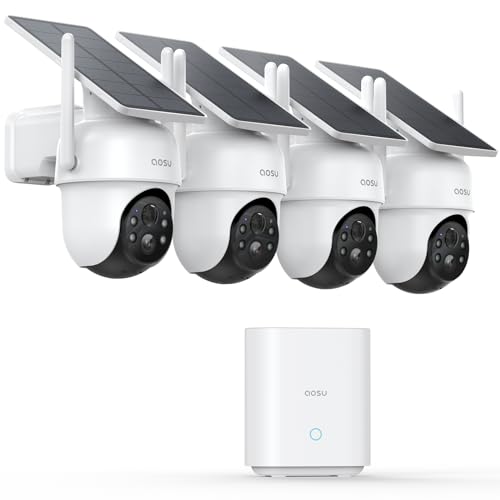
How to Choose the Right Home Security
If you want peace of mind, you need a security setup that works confidently, not just something that looks good online. I’ve been in the field long enough to see what works—and what’s a waste of your time and money. Whether you're trying to prevent package theft, cover a blind spot, or stop false alarms from bothering you, your system should be simple to set up, reliable in operation, and tailored to your home’s unique needs.
In this guide, I’ll walk you through the essential decisions to make. No hype, no jargon. Just straightforward advice so you can protect your home confidently.
Table of Contents
Assess Your Home’s Unique Risks
Every home faces different threats. Do you have a front porch where packages sit out? Are side doors hidden from street view? Are you a renter or owner? These factors shape your security priorities. For instance, if package theft on your porch is common, focus on camera coverage that captures drive-by or porch activity, preferably with good night vision. If you’re concerned about a side-door blind spot, consider adding a camera or sensor there. Pro tip: For renters who can’t install hardwired systems, wireless options are your friend. Look for models with strong battery life and reliable alerts—freeing you from constant recharging or complicated wiring.Choosing Security Cameras You Can Count On
Not all cameras are created equal. Look for models with at least 1080p resolution. Crisp video matters if you want to identify faces or license plates after an incident. Night vision should be clear—avoid cheap cameras that rely solely on IR LEDs. Test the camera’s field of view; a wide-angle lens (120°+) will reduce blind spots. Motion detection is a key feature. False alarms from passing cars or bushes swaying are common annoyances. Choose cameras with adjustable motion zones and sensitivity settings. Some have AI-based person detection, which drastically reduces false alerts. Pro tip: Mount cameras high enough to avoid tampering, but low enough for clear facial shots. Brightly lit areas at night make a difference—consider adding outdoor lights if necessary.Smart Locks & Video Doorbells: Entry Control & Visual ID
Smart locks let you control access remotely. Choose models that support keypads or app-based unlocking, especially if you have family or service providers. The real benefit: you know exactly when someone enters or leaves. For quick entry, select a lock with robust battery life and two-factor authentication for app security. Video doorbells are your eyes at the front. Pick one with high-resolution video (at least 1440p), night vision, and a wide viewing angle. Look for models with clear audio—talking to delivery drivers or porch pirates can save a trip. Remember, a doorbell camera is more effective when paired with a traditional lock and an alert system. Pro tip: Consider a "live view" feature, so you can check on your porch while away. Also, position the doorbell’s camera to avoid reflections or obstructions that could obscure faces.Alarm Systems & Sensors: The Backbone of Your Security
A good alarm system is your home's security backbone, providing immediate alerts to you and authorities if needed. Choose a system that supports multiple sensors and zones—windows, doors, motion detectors—so you can tailor coverage. Wireless systems are easier to expand and install, ideal for renters or those not comfortable with wiring. Always select sensors with reliable contact detection and adjustable sensitivity. False alarms cause fatigue; sensors that can be calibrated reduce this risk. For ground-floor windows or doors, add glass-break sensors or shock sensors to catch attempted burglaries. Pro tip: Test your sensors regularly. Just installing them isn’t enough. If your system supports remote arming, set a schedule to secure your home automatically at night.Storage Options: Cloud vs. Local
Video storage is a key consideration. Cloud options offer convenience—view footage from anywhere—but can cost monthly fees. Local storage (like a NAS or SD card) keeps footage in-house, no ongoing fees, but may be less accessible remotely. Balance value and reliability. Cheap cloud plans might save money but often come with limited retention periods. High-quality cameras with local SD cards are great if you prefer control. Some advanced systems offer hybrid storage—local plus cloud—covering your bases. Pro tip: Always have a backup plan. Ransomware or internet outages can affect cloud storage access. Keep a regular schedule to download important clips.Installation Tips for Real-World Effectiveness
Proper placement makes or breaks your system. Don’t mount cameras high up on trees or hidden behind foliage. Instead, aim for eye level at key points—front door, driveway, backyard—where you’d notice someone lurking. For doorbells and cameras, avoid shiny surfaces that cause glare or reflections. Use mounts with adjustable angles to minimize blind spots. Test night vision in real darkness, not just in the daytime preview. Pro tip: Keep wiring neat and out of sight. Tampering is less likely when sensors and cameras look flush and integrated into your home’s design.Frequently Asked Questions
Can I mix brands and systems?
Yes. As long as devices support common protocols like Z-Wave or Zigbee, or connect to your chosen hub, mixing brands can give you the best of everything. Just check compatibility first.
How often do I need to replace batteries?
Most smart cameras and sensors last 6-12 months on common batteries. Use quality brands and check alerts regularly to prevent failures.
Is professional installation worth it?
For complex wired systems or extensive setups, yes. But for most DIY systems, a good manual, some patience, and a level can get you excellent results.
How do I prevent false alarms?
Adjust motion zones, sensitivity, and utilize AI or person detection features. Regular testing helps identify and fix problem areas.
What’s better—local or cloud storage?
Both have pros and cons. Local storage is independent of internet, but cloud offers remote access. A hybrid approach offers the most flexibility.
Can I install these systems myself?
Absolutely. Many systems are designed for straightforward setup, with detailed instructions. Follow the manufacturer’s manual, and don’t rush the testing phase.
Conclusion
Choosing the right home security system isn’t about buying the most expensive gear. It’s about matching the solution to your specific risks, your home's layout, and your comfort with technology. Focus on reliable cameras, effective sensors, and a storage plan that fits your needs. With thoughtful setup and real-world placement, you'll have a system that genuinely protects your home—and peace of mind that lasts.
Start by assessing your risks, then pick scalable, straightforward components. Protect your home confidently, and you’ll sleep better at night.