

Best Security Cameras for Monitoring Spring Gardening and Outdoor Living Spaces in 2026
🏆 Top Picks at a Glance
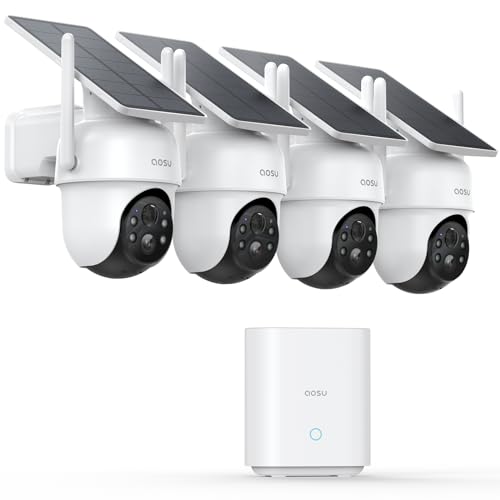 #1
#1
Best Overall
aosu Security Cameras Outdoor Wireless, 4 Cam-Kit, No Subscription, Solar-Powered, Home Security Cameras System with 360° Pan & Tilt, Auto Tracking, 2K Color Night Vision, Easy Setup, 2.4 & 5GHz WiFi
$399.99
Check Price → #2
#2
Runner Up
Gianteye 5G&2.4GHz Security Cameras Wireless Outdoor, 2K Cameras for Home Security, Solar & Battery Powered Security Camera Outdoor, Color Night Vision, PZT Human Detection, 2 Packs
$65.98
Check Price → #3
#3
Best Value
FAMVIVA 2K Security Camera, Outdoor/Indoor for Home, Pet, Baby, Nanny, IP65 Waterproof Color Night Vision, White Light & Siren, Recording, Motion Detection, Compatible with Alexa, White-4P
$59.99
Check Price →Our Top Picks
Affiliate disclosure: if you buy through these links, we may earn a commission at no extra cost to you.
Factors to Consider
Image quality and night vision
⚡ Quick Answer
Outdoor spaces demand clear daytime and low-light performance. Look for 1080p or higher with HDR and sensors designed for outdoor lighting ranges. Consider color night vision or starlight sensors to keep details visible after dark, and check how it handles glare from porch lights. Pro tip: test a night shot at your typical porch distance and lighting before you buy, or ask for a short example clip from the retailer.
Table of Contents
Motion detection and false alarm control
Motion alerts are only useful if they’re accurate. Look for customizable activity zones and advanced analytics like person detection to cut down porch clutter and swaying bushes. Consider how it behaves in rain or against small animals; some cameras trigger too easily, and you may need to tune sensitivity. Pro tip: set up restricted zones and tailor sensitivity to avoid alert fatigue during windy days.
Storage, privacy, and data security
Choose between local storage (microSD or NVR) and cloud options based on your priorities for outages and access. Local storage can keep footage without monthly fees, but cloud storage offers access from anywhere and easy sharing. Ensure the camera uses encryption in transit and at rest, and enable two-factor authentication on your account. Pro tip: whenever possible, enable local storage as your first line and use cloud storage as a supplemental option for key moments.
Setup, power, and mounting for renters vs homeowners
Renters benefit from battery-powered, wire-free cameras and easy no-drill mounts; homeowners can install wired power or use solar options for long-term reliability. Look for weatherproof housing, simple app-guided setup, and flexible mounting that avoids blind spots. Consider mounting height and angle to cover entry points like a side-door blind spot. Pro tip: choose a camera with quick-mount hardware for renters and a sturdy, fixed mount for homeowners who stay put.
Frequently Asked Questions
Do I need cloud storage or local storage to save footage?
Most cameras offer both options; local storage is cheaper and works during internet outages, while cloud storage makes access from anywhere and easy sharing. The right mix depends on your budget and privacy preferences. In practice, many users start with local storage and add a cloud plan for important events.
How important is night vision quality for outdoor cameras?
Night vision is critical for porch protection and low-traffic hours. Look for cameras with good low-light performance, including color night vision or starlight sensors, to help identify faces and parcels. Reviews often show that infrared alone can wash out details at longer distances.
Can cameras distinguish people from pets to reduce false alarms?
Yes, most modern cameras include person-detection analytics to cut false alerts from pets or wind-blown leaves. Performance varies by brand and lighting, so test in your yard to confirm accuracy. In darker conditions, some systems rely more on motion than reliable identification.
What’s the best setup strategy for renters vs homeowners?
Renters should favor battery-powered, wire-free cameras with easy mounting and minimal hardware changes. Homeowners can opt for wired power or solar options, plus more permanent mounts and larger storage plans. Place cameras to cover entry points and common blind spots like a side door.
How can I reduce false alarms and notification fatigue?
Fine-tune motion zones, sensitivity, and alert schedules; use person detection when possible and limit alerts to critical events. Regularly review a short clip library to retrain detection and minimize nuisance alerts. Pro tip: set "quiet hours" or scheduled do-not-disturb times to avoid fatigue during early morning or late-night hours.
Is installation hard if I'm not tech-savvy?
Most consumer cameras aim for DIY setup with guided apps, but some features require basic mounting and network setup. Choose models with clear instructions, auto-detection, and straightforward installation steps. If you rent, prioritize plug-and-play and battery-powered options to avoid complex wiring.
How should I secure my feeds and protect privacy?
Enable two-factor authentication, use a strong unique password, and review app permissions regularly. Ensure data is encrypted in transit and at rest where possible, and keep firmware up to date. For higher privacy, prefer devices offering local storage with optional cloud access and strict access controls.
Conclusion
For spring gardening and outdoor living, a camera system with solid night vision, reliable motion alerts, and flexible storage hits the sweet spot between protection and price. Start with a porch or side-door camera and expand as needed, focusing on ease of setup and a dependable app.


