

Best Wireless Security Cameras for Spring Home Perimeter Monitoring and Pet Protection in 2026
🏆 Top Picks at a Glance
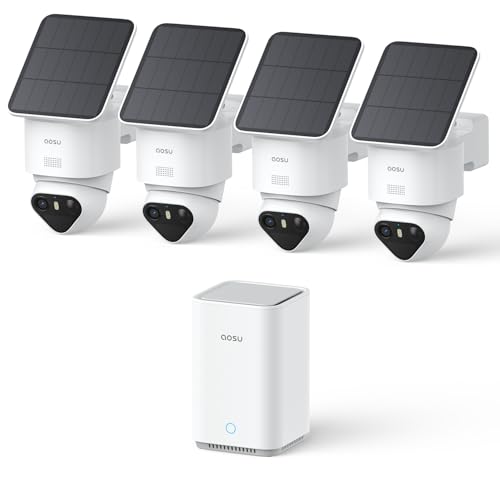 #1
#1
Best Overall
aosu T2 Ultra 4K Security Cameras Wireless Outdoor, 4 Cam Kit, Smart Home Security System with TrueColor Night Vision, AI Recognition & 360° Motion Tracking, Solar Power, Expandable 1TB Local Storage
$649.99
Check Price →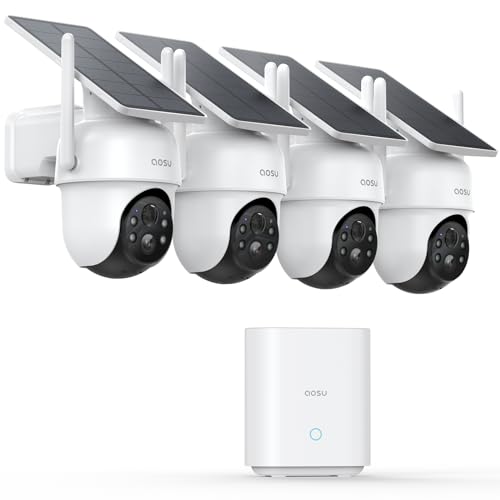 #2
#2
Runner Up
aosu Security Cameras Outdoor Wireless, 4 Cam-Kit, No Subscription, Solar-Powered, Home Security Cameras System with 360° Pan & Tilt, Auto Tracking, 2K Color Night Vision, Easy Setup, 2.4 & 5GHz WiFi
$399.99
Check Price → #3
#3
Best Value
Browning Defender Wireless Camera Security Box Camo
$39.99
Check Price →Our Top Picks
Affiliate disclosure: if you buy through these links, we may earn a commission at no extra cost to you.
Factors to Consider
Video quality and night vision
⚡ Quick Answer
Your porch is a changing scene from dusk to midnight. Aim for 1080p at minimum, with options for 2K/4K if your bandwidth and storage can keep up. HDR or wide dynamic range helps you see faces and license plates under streetlights, while a 100–160 degree field of view reduces blind spots on a front step. For night work, infrared LEDs or color night vision can make a difference when porch lights are sparse. Pro tip: test night vision in your actual lighting, not just in a store demo, to confirm you can read badges or track movement clearly across the porch.
Table of Contents
Motion detection and alerts
Motion alerts are only useful if they’re accurate. Look for AI-based person detection or vehicle detection, and the ability to set activity zones so you’re not flooded by lawn-come-traffic or tree sway. Adjustable sensitivity helps you avoid false alarms caused by neighbors’ pets or rainfall, which is a common pain point for homeowners and renters alike. Consider how quickly the app pushes alerts and whether you can review clips on-device or in the cloud. Pro tip: configure separate zones for the porch and sidewalk, and use person-detection where you actually want a human alert rather than a broad motion alert.
Storage options and privacy
Storage choice changes your risk profile. Local storage (microSD or onboard storage) keeps footage even if your network drops, while cloud storage offers seamless access across devices and easy sharing. Encryption in transit and at rest is a must; check whether the vendor supports two-factor authentication and regular firmware updates. Also consider retention limits and who can access clips if someone on your plan leaves. Pro tip: balance local and cloud storage if you’re worried about privacy and bandwidth—local saves bandwidth, cloud saves you from swapping cards during a rental stay.
Power, weather, and reliability
Power options dramatically affect reliability. Battery-powered cameras are great for renters or temporary setups, but expect periodic recharges; wired or PoE models offer steadier performance but require cabling. Weather-rated housings (IP65/66 or higher) matter for year-round use on porches or beside doors. Check operating temperature ranges if you live in extreme climates, and confirm that mounts and cables resist tampering. Pro tip: for a seasonal outdoor setup, choose a camera with both battery backup and weather-rated housing to avoid blind spots during storms.
Placement and coverage strategy for renters vs. homeowners
Renters should prioritize non-permanent mounts and easy relocation, focusing on entry doors and common blind spots like side porches. Homeowners can plan a multi-camera layout that covers approach paths, the door, and potential blind corners, with a clear line of sight for motion detection. Consider where your Wi‑Fi strongest, and whether you need a mesh system or a wired backbone to prevent dropouts. Pro tip: sketch a quick coverage map before buying—placing at least one camera high enough for a clear view of packages and a second at door height for facial detail.
Pro tip: start with a balance of video quality, reliable alerts, and practical storage—spend a little more on AI detection and robust weatherproofing, but don’t overspend on 4K if your internet or storage plan can’t sustain it.
Frequently Asked Questions
Do I need a subscription for most wireless security cameras?
Many cameras offer optional cloud storage with a subscription, but most also include local storage or offer a free basic plan. You’ll typically pay for extended video history, smarter AI features, and longer retention. Research shows cloud plans add convenience, but local storage can be enough for shorter retention and Internet outages.
Is local storage enough, or should I use cloud storage?
Local storage is reliable if you want footage even when your internet goes down, and it avoids ongoing fees. Cloud storage adds accessibility from multiple devices and easier sharing, but it depends on your internet quality and privacy preferences. In practice, a hybrid setup—with local storage plus a limited cloud plan—offers resilience without overpaying.
Can these cameras distinguish people from pets or cars?
Yes, many models include AI-based person and vehicle detection. Research-backed testing indicates that AI-based detection significantly reduces false alarms compared with simple motion sensors, especially in busy outdoor environments. If pets are common in your yard, enable pet-immune settings and zone restrictions to keep alerts meaningful.
How easy is it to install for renters or non-technical homeowners?
Wireless cameras with simple mounting, magnet or adhesive brackets, and plug-in power are typically quick to deploy in under an hour. For renters, focus on models that don’t require drilling and that work with your existing doorbell or router. In real-world use, non-destructive mounts and straightforward apps dramatically shorten setup time and reduce frustration.
What about night vision quality in typical suburbia lighting?
Night vision quality depends on infrared illumination and ambient light. Cameras with better IR range and, where available, color night vision tend to produce more actionable footage in dim driveways or well-lit sidewalks. In practice, test at dusk and after dark to confirm you can identify people and objects clearly from porch to curb.
Will these cameras integrate with other smart home devices?
Most modern cameras support major ecosystems like Alexa or Google Assistant and can trigger routines with smart locks or doorbells. Integration quality varies by brand and third-party app access, but you’ll usually get basic notifications, scenes, and voice control. If you rely on a single app, verify it supports your preferred automation platform before buying.
What about privacy and data security?
Look for devices with strong encryption, regular firmware updates, and clear privacy controls that limit who can view footage. Research indicates that trustworthy vendors publish security hardening details and offer options like local-only storage or encrypted cloud access. Review terms of service and how long footage is retained, as well as who can access it if you share access with family or roommates.
Pro tip: when in doubt, test a model’s app usability and notification latency with your phone in your actual home network before committing to a long-term cloud plan.
Conclusion
Smart wireless cameras can dramatically improve your perimeter awareness and deter porch thieves without turning your life into IT work. Choose a setup that aligns with your home, budget, and comfort with cloud versus local storage, and you’ll get reliable protection with practical day-to-day use.
Pro tip: start with a single, well-placed camera for the most critical blind spot, then add coverage as needed—it’s often the fastest path to real protection without overcomplicating setup or budgeting.


