

Smart Home Tech Buying Guide: What to Look For in 2026
🏆 Top Picks at a Glance
 #1
#1
Best Overall
Amazon Echo Hub (newest model), 8” smart home control panel, Designed for Alexa+, Compatible with thousands of devices
$179.99
Check Price → #2
#2
Runner Up
ULTIMEA 5.1CH Surround Sound Bar with Subwoofer, Dolby Atmos, VoiceMX, BassMX, APP, 300W Soundbar for Smart TV, Home Theater Surround Sound System for TV, Bluetooth 5.4, Poseidon M60 (2026 Model)
$99.99
Check Price →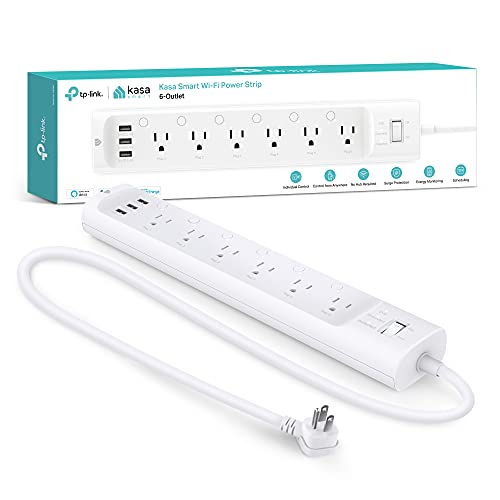 #3
#3
Best Value
Kasa Smart Plug Power Strip HS300, Surge Protector with 6 Individually Controlled Smart Outlets and 3 USB Ports, Works with Alexa & Google Home, No Hub Required
$47.99
Check Price →I spent years locking down physical perimeters for a living, so I know exactly what fails when the sun goes down: cheap sensors, laggy apps, and systems that require a degree to operate. You don't need a military-grade fortress; you need a smart home ecosystem that actually works when you're trying to sleep. Whether you are dealing with porch pirates or just want to automate your lighting without a wiring job, the right gear makes the difference between a hassle and a habit. Here is the straight talk on the hardware that actually earns its keep in 2026.
⚡ Quick Answer: Best Ultimate Smart Home Buying Guide 2026
Best for Centralized Control: Amazon Echo Hub (newest model), 8” smart home control panel, Designed for Alexa+, Compatible with thousands of devices
$179.99 — Check price on Amazon →
Table of Contents
Main Points
- The Amazon Echo Hub consolidates scattered smart home controls into one reliable 8" panel, eliminating the need to fumble with multiple apps for critical security and climate settings.
- The ULTIMEA Poseidon M60 delivers genuine Dolby Atmos immersion at a fraction of the cost of traditional surround systems, proving that high-fidelity audio doesn't require a professional installer.
- Kasa Smart Plugs offer the highest ROI for renters and homeowners alike, providing individual outlet control and surge protection without the monthly fees of a hub-based system.
- True value in smart home gear comes from local processing and ease of setup, not just raw specs; prioritize devices that work offline so your home stays secure when the internet drops.
- Avoid the "buy once, cry once" trap by matching device complexity to your actual needs; a simple smart plug often solves more daily problems than an expensive, underutilized home theater system.
Our Top Picks
Affiliate disclosure: if you buy through these links, we may earn a commission at no extra cost to you.
Factors to Consider
Frequently Asked Questions
Do I need a monthly subscription for a smart camera?
No, many cameras support local storage via SD cards or NVRs. Cloud storage is optional and useful for off-site backup, but you can often skip it to save money. Check the specs for local storage support before buying.
Can I use a security camera without Wi-Fi?
Yes, cellular cameras with SIM cards work independently of your home network. These are ideal for detached structures like garages or sheds. They require a data plan but offer maximum flexibility.
How long do battery-powered cameras last?
Battery life varies from 3 to 6 months depending on usage and settings. High-traffic areas will drain batteries faster due to frequent motion alerts. Consider hardwiring if possible for continuous operation.
Are smart doorbells worth the extra cost?
Smart doorbells add value by providing video verification before you answer. They deter package theft and allow you to see who is at the door from anywhere. If you receive frequent deliveries, the peace of mind is worth the investment.
What resolution do I need for home security?
1080p is sufficient for most home use, providing clear images of faces and license plates. 2K or 4K offers more detail but requires more storage and bandwidth. Match the resolution to your storage capacity and network speed.
How do I protect my camera from theft?
Use anti-theft mounts and install cameras out of easy reach. Enable tamper alerts to notify you if someone tries to remove the device. For high-risk areas, consider a wired connection to prevent wireless jamming.
Can I access my camera footage remotely?
Yes, most smart cameras allow remote access via mobile apps. Ensure you use strong, unique passwords and enable two-factor authentication. This protects your privacy and prevents unauthorized access to your footage.
Conclusion
Choosing the right home security system doesn't require an IT degree or a massive budget. Focus on your specific needs: local storage to save on subscriptions, reliable connectivity, and smart detection to avoid false alarms. Invest in quality where it matters most, like your front door and driveway, and you'll have solid protection without the stress.


