

Home Security Buying Guide What To Look For In 202
🏆 Top Picks at a Glance
 #1
#1
Best Overall
PGST Home Security System, Home Alarm System Wireless Touch Screen Motion Detection, Door and Window Alarms for Home, Wireless Siren, Remotes, Phone App, for Villa Home Apartment
$99.99
Check Price → #2
#2
Runner Up
SimpliSafe 11 Piece Wireless Home Security System Gen 3 with Wireless Indoor HD Camera - Optional 24/7 Professional Monitoring - No Contract - Compatible with Alexa and Google Assistant,White
$306.58
Check Price →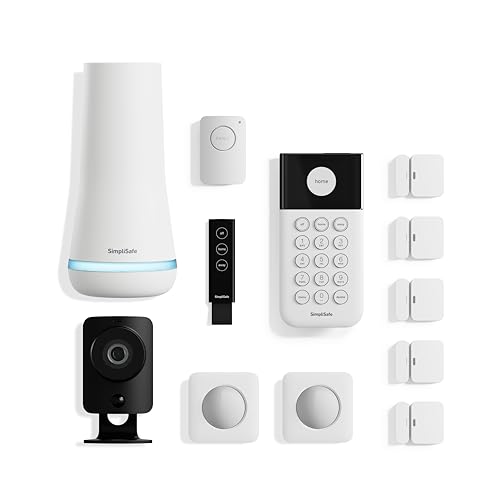 #3
#3
Best Value
SimpliSafe 12 Piece Wireless Home Security System w/HD Camera - Optional 24/7 Professional Monitoring - No Contract - Compatible with Alexa and Google Assistant, White
$293.68
Check Price →⚡ Quick Answer
Protecting your home isn’t about having the most expensive gear. It’s about making smart choices that fit your house, your lifestyle, and your budget. Whether it’s a package stolen from your porch or a side door that’s got a blind spot, knowing what features matter lets you avoid wasted money and false alarms.
Table of Contents
Today’s tech makes it easier than ever to stay secure. But not all systems are equal, and the market is flooded with options. I’ve seen what fails — and what genuinely keeps homes safer. This guide cuts through the noise, helping you buy confidently. No IT degree needed. Just practical, no-nonsense advice.
Our Top Picks in Detail
Affiliate disclosure: if you buy through these links, we may earn a commission at no extra cost to you.
PGST Home Security System, Home Alarm System Wireless Touch Screen Motion Detection, Door and Window Alarms for Home, Wireless Siren, Remotes, Phone App, for Villa Home Apartment
$99.99Check Price →This is the pick to look at first if you want a reliable, well-rounded option that handles everyday use without unnecessary compromises. PGST Home Security System, Home Alarm System Wireless Touch Screen Motion Detection, Door and Window Alarms for Home, Wireless Siren, Remotes, Phone App, for Villa Home Apartment delivers solid performance across the features that matter most in this category.
SimpliSafe 11 Piece Wireless Home Security System Gen 3 with Wireless Indoor HD Camera - Optional 24/7 Professional Monitoring - No Contract - Compatible with Alexa and Google Assistant,White
$306.58Check Price →If the top pick doesn't quite fit your situation, SimpliSafe 11 Piece Wireless Home Security System Gen 3 with Wireless Indoor HD Camera - Optional 24/7 Professional Monitoring - No Contract - Compatible with Alexa and Google Assistant,White is worth a close look as a capable alternative that still covers the essentials well.
SimpliSafe 12 Piece Wireless Home Security System w/HD Camera - Optional 24/7 Professional Monitoring - No Contract - Compatible with Alexa and Google Assistant, White
$293.68Check Price →For buyers who want the most for their money without sacrificing the features that actually matter, SimpliSafe 12 Piece Wireless Home Security System w/HD Camera - Optional 24/7 Professional Monitoring - No Contract - Compatible with Alexa and Google Assistant, White is the practical choice at this price point.
Understanding Your Needs
Before you buy gear, honestly evaluate your home. Do you rent or own? How many entry points do you need to secure? Are you protecting valuable items or just looking to prevent package theft? Assess your biggest vulnerabilities — a side door with a blind spot or a front porch prone to porch pirates? Your specific needs influence what kind of system makes sense.
For renters, easy-to-install, portable options matter. You want gear that’s simple to remove and doesn’t require wiring, like wireless cameras or smart locks that don’t impact your rental agreement. For homeowners, investing in a wired or hybrid system that offers more reliable power and connectivity might be worth the upfront complexity.
Security Cameras & Video Doorbells
High-quality cameras are your first line of defense. Look for cameras with at least 1080p resolution — 4K is nice but often overkill unless you need detailed identification. Night vision is crucial; poor night vision is useless when a package thief arrives after dark. Infrared LEDs or spotlights can make a big difference.
Motion detection must be accurate. False alarms from passing cars or trees moving in the wind are common and exhausting. Advanced systems filter out false positives better than cheap models. Consider cameras with both local storage (microSD or NVR) and cloud options — local recording is more reliable if the internet goes out, and cloud backups avoid lost footage if the camera is stolen.
Smart Locks
Smart locks give you keyless entry — ideal for family members, service providers, or if you forget your keys. Mechanical keys are fallback but often don't include remote control options. Choose a lock with a robust encryption standard and immediate lock/unlock capabilities via app.
Installation is usually straightforward — most fit standard deadbolts, and you don’t need to rewire your door. Be wary of cheap models that can be hacked or have poor battery life. Regularly changing your passcodes and checking access logs (if available) keep things secure.
Alarm Systems & Sensors
Alarm panels with door/window sensors, motion detectors, and glass-break sensors create a layered defense. A good alarm system alerts you immediately of unauthorized entry. Wired systems tend to be more reliable — but wireless has improved dramatically and is easier to install.
Focus on detection accuracy. Setting off a false alarm doesn’t just annoy neighbors; it can lead to ignored alerts and fines. Quality sensors reduce false triggers by ignoring small pets or low-traffic areas, but ongoing calibration and testing are key. Protect vulnerable doors and windows with sensors, especially if you have ground-floor access points.
Home Monitoring & App Control
Remote app control is essential. You want clear, reliable alerts and easy arm/disarm functions. Many systems integrate with your phone, but be cautious: some apps are buggy, or their notification systems lag. Test the system during setup. Also, compare local vs. cloud storage plans. Cloud is convenient but adds ongoing costs. Local options (like a NAS or SD card) are cheaper long-term and less dependent on internet.
If you travel or work odd hours, video monitoring and quick access to recordings make a difference. Check if the system supports live viewing, two-way audio, and notification customization. Good integrations include Alexa, Google Assistant, or Apple HomeKit, but don’t sacrifice core functionality for flashy features.
Buying Tips & Final Advice
Price-to-value matters. Cheap gear has a place if your threat level is low — say, preventing package theft or deterring casual prowlers. But don’t skimp on night vision or motion detection if you want reliable alerts. Conversely, expensive systems like professionally monitored alarm setups often offer peace of mind but aren’t always necessary for every home.
Installation ease can’t be overstated — systems that are disastrous to set up leave you vulnerable during the critical first days. Prioritize brands with clear instructions, straightforward mounting, and decent customer support. And always test your system thoroughly — ensure cameras cover key blind spots and alarms trigger correctly.
Frequently Asked Questions
Can I rely on wireless security cameras?
Yes, but choose models with good Wi-Fi range and backup options like local storage. Wireless cameras are easier to install but are susceptible to Wi-Fi outages and hacking if not secured properly.
Do I need professional installation?
Not always. Many smart home devices are DIY-friendly. However, for wired systems or multi-layer setups, professional installation ensures coverage and security — especially with complex wiring or integration with existing systems.
Will smart locks hold up against burglars?
Smart locks are secure if you choose models with strong encryption. They sometimes face hacking risks, but using strong, unique passcodes and firmware updates reduces this threat.
Are cloud storage subscriptions worth it?
If you want remote access, backups, and easy retrieval of footage, yes. But local storage is cheaper long-term and safer from internet outages or cloud breaches.
How do I prevent false alarms?
Use sensors with pet immunity, calibrate motion detection zones carefully, and test regularly. Avoid installing sensors too close to trees or busy roads that trigger false positives.
What if I rent and can’t make permanent modifications?
Opt for portable, wireless options: battery-powered cameras, adhesive-mounted sensors, and smart locks that don’t require wiring. Keep everything easily removable to avoid violating lease agreements.
Conclusion
Smart security isn’t about having the latest tech — it’s about matching your system to your home and lifestyle. Think critically about how each piece works together, test thoroughly, and don’t buy more than you need. A well-chosen, reliable system can give you peace of mind—whether you’re away for the weekend or just securing your porch from package thieves. Next step: evaluate your home’s vulnerabilities, define your priorities, and start shopping for gear that’s easy to use, reliable, and expandable.
Top Picks
Affiliate disclosure: if you buy through these links, we may earn a commission at no extra cost to you.
PGST Home Security System, Home Alarm System Wireless Touch Screen Motion...
$99.99
View Product Details →SimpliSafe 11 Piece Wireless Home Security System Gen 3 with Wireless Indoor...
$306.58
View Product Details →SimpliSafe 12 Piece Wireless Home Security System w/HD Camera - Optional...
$293.68
View Product Details →

