

Security Cameras Buying Guide: What to Look For in 2026
🏆 Top Picks at a Glance
 #1
#1
Best Overall
DEFEND Cellular Security Camera - 2 Pack Black
$209.99
Check Price → #2
#2
Runner Up
Blink Outdoor 4 – Wireless smart security camera, two-year battery life, 1080p HD day and infrared night live view, two-way talk. Sync Module Core included – 3 camera system
$189.99
Check Price →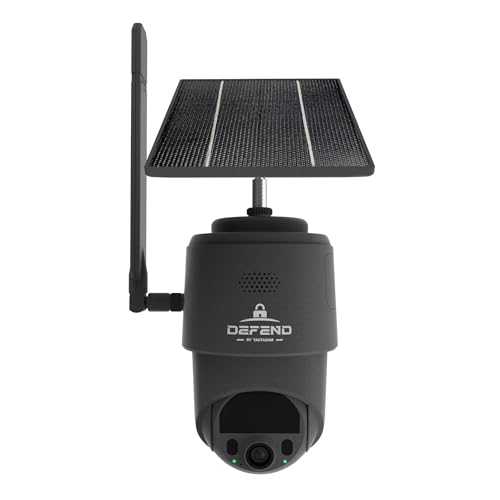 #3
#3
Best Value
DEFEND Cellular Security Camera Black
$199.99
Check Price →⚡ Quick Answer
In today’s world, a solid security setup isn’t a luxury — it’s a necessity. Whether you’re protecting a family home or rental property, you need solutions you can count on. I’ve been in the security business long enough to see what works and what’s just gimmickry. Here’s the truth: good security gear isn’t about the latest bells and whistles; it’s about reliability, ease of use, and making sure you’re covered where it counts.
Table of Contents
By understanding what to look for, you avoid costly mistakes—like buying a camera that doesn’t perform at night or a doorbell that’s a dead zone. This guide cuts through the hype to give you practical, real-world advice. Because protecting your home should be straightforward, effective, and tailored to your needs. Let’s get started.
Our Top Picks in Detail
Affiliate disclosure: if you buy through these links, we may earn a commission at no extra cost to you.
DEFEND Cellular Security Camera - 2 Pack Black
$209.99Check Price →This is the pick to look at first if you want a reliable, well-rounded option that handles everyday use without unnecessary compromises. DEFEND Cellular Security Camera - 2 Pack Black delivers solid performance across the features that matter most in this category.
Blink Outdoor 4 – Wireless smart security camera, two-year battery life, 1080p HD day and infrared night live view, two-way talk. Sync Module Core included – 3 camera system
$189.99Check Price →If the top pick doesn't quite fit your situation, Blink Outdoor 4 – Wireless smart security camera, two-year battery life, 1080p HD day and infrared night live view, two-way talk. Sync Module Core included – 3 camera system is worth a close look as a capable alternative that still covers the essentials well.
DEFEND Cellular Security Camera Black
$199.99Check Price →For buyers who want the most for their money without sacrificing the features that actually matter, DEFEND Cellular Security Camera Black is the practical choice at this price point.
Understanding Camera Types
There’s a variety of security cameras out there—each suited for different scenarios. Bullet cameras are highly visible, perfect for front yards—scare off package thieves or record what’s happening on your porch. Dome cameras are less conspicuous, stylish, and good for indoor or discreet outdoor use. Pan-tilt-zoom (PTZ) cameras give you coverage over large areas but can be more complex to set up and maintain.
If you’re renting, a simple plug-and-play Wi-Fi camera can be enough to monitor your entry points or kids. For homeowners, installing a mix of fixed and PTZ cameras around the perimeter delivers better coverage. Remember: a camera’s location matters more than its specs. A well-placed, affordable camera beats a high-end model stuck in the wrong spot every time.
Key Features to Prioritize
Night vision isn’t optional if you want useful footage after sunset. Look for cameras with infrared (IR) LEDs or thermal imaging for clear images in complete darkness—your front porch thief or side-door prowler doesn’t stop at sunset. Motion detection should be accurate—false alarms train you to ignore alerts, which defeats the purpose. Cameras with adjustable sensitivity and activity zones help cut down the noise.
App reliability is key. You need instant alerts and easy access to footage on your phone. If the app is flaky or complicated, it doesn’t matter how good the hardware is. Also, consider whether you want local storage (SD card, NVR) or cloud. Local storage eliminates monthly fees and potential hacking points but requires setup. Cloud options are more straightforward but come with ongoing costs and potential privacy concerns.
Wired vs. Wireless Cameras
Wireless cameras are easier to install—no drilling needed, just Wi-Fi. But they depend on a strong Wi-Fi connection and batteries, which means periodic charging or replacement. Wired cameras are more reliable long-term, especially in large properties. They’re less prone to interference or signal loss, making them better for critical points like doorways or driveways.
Pro tip: If your Wi-Fi is spotty or you get false alarms, wiring might be worth the effort—especially if you want constant, reliable coverage without maintenance hassles.
Storage Options: Local vs. Cloud
Local storage—think SD cards or network video recorders (NVRs)—gives you control and avoids ongoing fees. If someone steals your camera or SD card, footage could be lost. Cloud storage simplifies access and sharing, plus automatic backups. But it comes with monthly costs and potential privacy issues—your footage stored online, vulnerable to hacking if not properly secured.
My advice: For critical areas—doorbell, main driveway—consider a hybrid approach: local recording plus cloud backup for peace of mind. Use strong, unique passwords and two-factor authentication for cloud accounts.
Installation Tips & Common Pitfalls
Proper placement is everything. Mount cameras where they won’t be blocked by bushes or trees. High enough to prevent tampering, but with a clear view of important areas. Avoid pointing cameras directly at the sun or bright lights, which can wash out the image. For outdoor cameras, weatherproof models are a must—cheap models often don’t hold up in rain or extreme cold.
Pro tip: Test your camera’s view in different lighting conditions first, before mounting permanently. A quick test at dusk or dawn helps ensure night vision doesn’t have nasty glare or blind spots.
Be mindful of false alarms—if your motion sensor keeps triggering from passing cars, adjust sensitivity or create activity zones that ignore busy roads.
Final Tips & Recommendations
Don’t buy on price alone. Sometimes a slightly more expensive camera with better night vision, fewer false alarms, and easier setup is a smarter buy. Read reviews—especially those that mention real-world use like package theft or dimly lit driveways. Balance features with your comfort level—if tech isn’t your thing, pick simple, reliable solutions.
Lastly, consistency beats high-end bells and whistles. Regularly check your system, update firmware, and test alarms. Security doesn’t mean setting it and forgetting it. Get in the habit of reviewing footage and maintaining your devices. That’s what keeps your home safe in 2026 and beyond.
Frequently Asked Questions
Are cheap security cameras worth it?
Yes, especially for basic monitoring or temporary setups. They won’t have all the features of premium models but can still deter package theft or record visitors. Just don’t expect stellar night vision or vibration resistance.
Can I DIY install a security camera system?
Absolutely. Most modern cameras are designed for DIY with step-by-step instructions. Just plan your placement carefully and ensure your Wi-Fi coverage is solid if wireless. Wired systems require some extra effort but tend to be more reliable long-term.
What’s more important: resolution or night vision?
Night vision is critical if you want clear footage after dark. 1080p resolution is still acceptable in many cases, but good night vision makes a bigger difference for identifying people or license plates in low-light conditions.
How secure are these cameras from hacking?
Most systems use encryption, but your home Wi-Fi security matters. Use strong passwords, update firmware regularly, and enable two-factor authentication when available. Avoid cameras with default passwords or unsecured ports.
Should I connect cameras directly to my router or use a hub?
Direct Wi-Fi connections are simpler and fine for small setups. In larger systems or critical areas, dedicated hubs or NVRs offer more stability and easier management.
Will a smart lock or video doorbell replace a security camera?
Not entirely. They complement each other. A video doorbell captures front door activity, but a dedicated security camera around your property provides broader coverage and better nighttime clarity.
In summary, choosing the right security cameras in 2026 hinges on understanding your specific needs, balancing cost with essential features, and proper installation. Invest wisely—your home and peace of mind deserve it. Start with a clear plan, select reliable gear, and keep your system maintained. Want to get started? Review your property’s most vulnerable points, then match solutions to those hot spots. Stay one step ahead, not chasing false alarms or struggling with unreliable footage.


