

Home Security Buying Guide: What to Look For in 2026
🏆 Top Picks at a Glance
 #1
#1
Best Overall
SimpliSafe 11 Piece Wireless Home Security System Gen 3 with Wireless Indoor HD Camera - Optional 24/7 Professional Monitoring - No Contract - Compatible with Alexa and Google Assistant,White
$306.58
Check Price →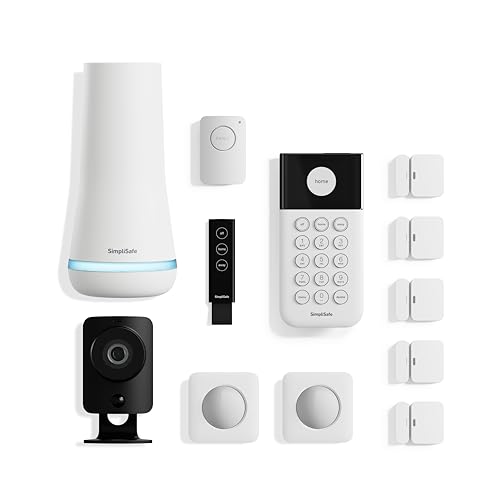 #2
#2
Runner Up
SimpliSafe 12 Piece Wireless Home Security System w/HD Camera - Optional 24/7 Professional Monitoring - No Contract - Compatible with Alexa and Google Assistant, White
$293.68
Check Price → #3
#3
Best Value
SimpliSafe 9 Piece Wireless Home Security System w/HD Camera - Optional 24/7 Professional Monitoring - No Contract - Compatible with Alexa and Google Assistant
$252.01
Check Price →⚡ Quick Answer
In today’s world, your home’s security isn’t a luxury — it’s a necessity. But the market's flooded with options: smart locks, cameras, alarms, and more. Picking the right setup isn’t about chasing the newest tech; it’s about understanding what actually works and fits your home. I’ve been on the front lines of security for years. I’ve seen what fails, what’s worth the investment, and how to set up a system that genuinely protects you without turning into a headache.
Table of Contents
Whether you’re a homeowner or renting, my goal is to help you cut through the hype. Smart, reliable, easy-to-use tech is within reach. You don’t need an IT degree — just clear guidance on what matters most to real-world security.
Our Top Picks in Detail
Affiliate disclosure: if you buy through these links, we may earn a commission at no extra cost to you.
SimpliSafe 11 Piece Wireless Home Security System Gen 3 with Wireless Indoor HD Camera - Optional 24/7 Professional Monitoring - No Contract - Compatible with Alexa and Google Assistant,White
$306.58Check Price →This is the pick to look at first if you want a reliable, well-rounded option that handles everyday use without unnecessary compromises. SimpliSafe 11 Piece Wireless Home Security System Gen 3 with Wireless Indoor HD Camera - Optional 24/7 Professional Monitoring - No Contract - Compatible with Alexa and Google Assistant,White delivers solid performance across the features that matter most in this category.
SimpliSafe 12 Piece Wireless Home Security System w/HD Camera - Optional 24/7 Professional Monitoring - No Contract - Compatible with Alexa and Google Assistant, White
$293.68Check Price →If the top pick doesn't quite fit your situation, SimpliSafe 12 Piece Wireless Home Security System w/HD Camera - Optional 24/7 Professional Monitoring - No Contract - Compatible with Alexa and Google Assistant, White is worth a close look as a capable alternative that still covers the essentials well.
SimpliSafe 9 Piece Wireless Home Security System w/HD Camera - Optional 24/7 Professional Monitoring - No Contract - Compatible with Alexa and Google Assistant
$252.01Check Price →For buyers who want the most for their money without sacrificing the features that actually matter, SimpliSafe 9 Piece Wireless Home Security System w/HD Camera - Optional 24/7 Professional Monitoring - No Contract - Compatible with Alexa and Google Assistant is the practical choice at this price point.
Understanding Your Home’s Risks
Before buying anything, get a clear picture of your home’s vulnerabilities. Do you have easy-entry points — a back door, garage, windows? Are you in a neighborhood with package theft issues? Think about blind spots. For example, a side door hidden behind shrubbery is a prime target. Or a porch where packages sit unprotected — that’s a common theft scenario.
Once you know your risks, you can allocate your budget where it matters most. Don’t waste money on fancy gadgets for areas you don’t access often. Focus on coverage, night visibility, and reliable alerts.
Choosing the Right Security Cameras
Security cameras are your home’s eyes. But not all are created equal. Look for cameras with high-resolution video (at least 1080p), good night vision, and accurate motion detection. Cheap cameras often produce grainy footage that’s useless after a theft or break-in. Better cameras also have wide-angle lenses to cover more ground—ideally 120° or more.
Placement is key. Cover your front porch, side entrances, back yard, and any blind spots. Consider whether a wired or wireless setup works best. Wired cameras are more reliable but harder to install. Wireless cameras are easier but depend on your Wi-Fi strength.
Smart Locks & Video Doorbells
Smart locks give you keyless entry, but not all are secure or simple to install. Look for models with encrypted access and a solid build; avoid cheap locksets that can be picked easily. A good lock will let you control access remotely, set temporary codes for visitors, and monitor who enters.
Video doorbells are your first line of defense at the front door. They provide live video, two-way audio, and alerts when someone approaches or rings. Opt for models with HD video, motion zones, and decent night vision. Placement matters—install it at facing height, not too high or low.
Alarm Systems & Sensors
A reliable alarm system can be a game-changer. Wired systems tend to have fewer false alarms but are difficult for renters. Wireless, self-contained systems are easier to install and expand. Focus on sensors for doors, windows, and motion. Place motion sensors in hallways or larger rooms where intruders might pass through. Don’t forget about basement entries or garages.
If false alarms are a concern, set up entry delay times and disable nearby pet zones or adjust sensitivity. Authentic, tested alarms with loud sirens — 105 dB or more — are the best deterrents.
Home Monitoring & Integration
Smart home security isn’t just about individual devices. Look for systems that integrate seamlessly with other smart home tech—lighting, thermostats, voice assistants. That way, a motion alert can turn on exterior lights or activate cameras automatically. Consider whether a professional monitoring plan is worth it for your peace of mind or if local alerting is enough.
If you rent, wireless and easy-to-remove systems are your friend. For homeowners, wired or hybrid options give more reliability for critical protection zones.
Practical Tips & Final Advice
Protecting your home on a realistic budget requires focus. Prioritize high-traffic entry points, dark corners, and critical valuables — like a porch with packages or a garage door. Don’t expect a $50 camera to match a top-tier system, but understand that decent, well-placed cameras provide more than enough coverage for most homes.
Setup matters. Take your time during installation. Use mounting brackets that prevent easy tampering, and test alerts to avoid false alarms. Regularly review footage logs; even smart tech can malfunction or get overwhelmed by false triggers.
Frequently Asked Questions
Can I rely on only wireless cameras?
Wireless cameras work well if your Wi-Fi is stable and strong. For critical coverage, consider wired cameras or a wired-to-wireless hybrid system. Local storage options help avoid losing footage during outages.
Are smart locks secure?
Most are secure if they use encrypted communications and have strong, unique passcodes or biometric options. Avoid cheap models that use easy-to-guess default codes or have poor quality hardware.
What’s better—cloud or local storage?
Cloud offers easy access from anywhere and remote backups, but costs monthly. Local storage gives you control and avoids ongoing fees—especially useful during outages or if privacy is paramount.
How do I prevent false alarms?
Adjust motion sensitivity, add zones for active areas, and disable notifications during known activity times. Using cameras with accurate detection and lighting helps too.
Is professional monitoring worth it?
If you travel frequently or have valuables, professional monitoring provides peace of mind. Otherwise, a well-setup self-monitoring system can be sufficient and more cost-effective.
How do I keep my system easy to use?
Stick to reputable brands with reliable apps. Keep device numbers minimal but effective. Regularly review settings, and don’t over-complicate zones or notifications.
In the end, protecting your home doesn’t mean overhauling everything overnight. Focus on what matters most—strong coverage of key points, reliable alerts, and simple operation. With smart choices, your home can be resilient without turning security into a full-time job.


